
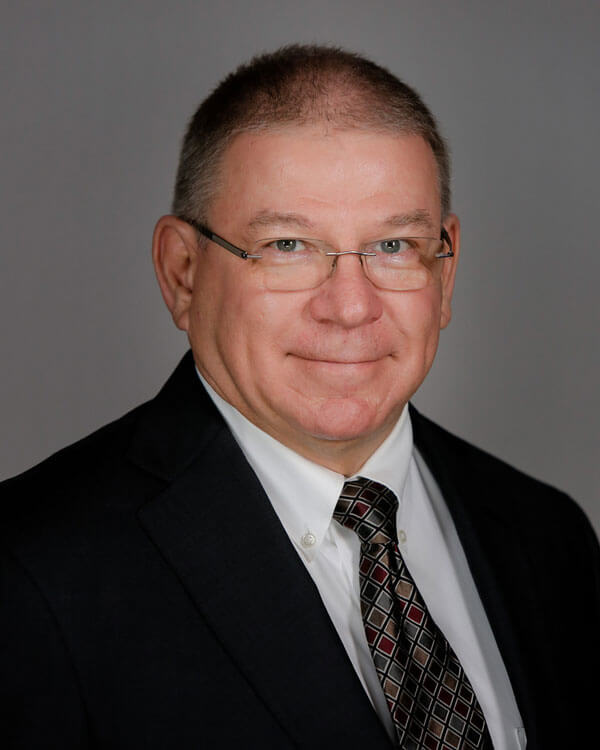
Richard A. Rowe, MD


The surgery itself was much harder than I anticipated once the numbness medications wore off. I experienced an extremely severe nerve headache afterward that was unlike anything I have ever felt. During my first night in the hospital, I struggled for several hours with pain control. One nurse appeared unfamiliar with ACDF recovery and advised me to lie flat, which I later learned can worsen swelling. Fortunately, the night nurse recognized the problem, made sure I received breakthrough pain medication, and by morning I was doing much better and was ready to be discharged.
My biggest frustration was with the cervical collar. The brace I was sent home with broke. After surgery, I slipped on a dog bone at home and became concerned that I may have injured my neck. I went to the hospital to be evaluated, and thankfully the CT scan showed everything looked great and there was no damage to the surgical repair. While there, the hospital replaced my broken cervical collar, but that replacement broke within a week as well.
At my follow-up appointment, I was told to contact the hospital or a brace supplier. The hospital would not replace it unless I came through the ER, and the brace company informed me that the issue was known and that they were working on a redesign. Despite everyone being aware that the brace was broken, I ultimately had to purchase another one myself for approximately $60, only for it to break as well. Considering this was a device I was required to wear for three months after neck surgery, I felt there should have been more assistance in making sure I had a functioning brace before I left the office.
Communication after surgery was also difficult. It was often challenging to reach the office after hours. While calls were sometimes returned, the response was usually that a message would be passed along the next day. When I developed severe postoperative headaches that kept me awake for days, a nurse was able to help, but stronger medication required an in-person trip to the office. Living over an hour away made that very difficult during recovery. The Tylenol 3 that was called in took the edge off, but it provided limited relief from the pain.
As time went on, I became less likely to call because I often felt like my concerns were an interruption rather than something that needed attention. Most recently, I developed significant throat symptoms including complete voice loss, neck swelling, swollen lymph nodes, congestion, green mucus, and increased numbness in my arm. Because these symptoms were occurring so soon after neck surgery, I felt it was reasonable to contact the surgeon’s office for guidance. My husband called multiple times and did not receive a call back. When we finally spoke with the office, we felt our concerns were dismissed. While I understand surgeons cannot treat every illness or prescribe antibiotics without evaluating a patient, I would have appreciated more communication, empathy, and guidance regarding whether these symptoms could affect my recovery this was a scary recovery.
Overall, I believe Dr. Rowe is a skilled surgeon, and I am thankful that the surgery itself appears to have been successful. The reduction in numbness has been encouraging, and I have no complaints about his surgical skill. I am 3.5 months past surgery. However, my experience after surgery left me feeling that patient support, communication, and follow-up care could be significantly improved. Patients going through a major neck surgery are often scared, uncomfortable, and vulnerable. A little more compassion, responsiveness, and willingness to help navigate postoperative concerns would have made a very difficult experience much easier.








Dr. Rowe performed my dad’s surgery, and we are beyond grateful for the care he provided. Seeing my dad now walking better, more upbeat, and improving each day means everything to our family. Dr. Rowe took the time to explain things clearly and made us feel confident every step of the way.
The office runs smoothly, and the team works together so well. You can tell they genuinely care about their patients.
Thank you, Dr. Rowe and staff, for the incredible care you provided to my dad. We will never forget it.
Dr. Richard Rowe has more than 20 years of experience in neurosurgery – many of which occurred while serving as an active duty Neurosurgeon with the United States Navy; he is recognized as an expert in both complex spine disease and trauma as well as in complex tumors of the brain and skull base – skills he developed and perfected during both his naval service and as a faculty member at the University of Arkansas for Medical Sciences (UAMS).
After completing medical school and internship at Emory University in Atlanta, Dr. Rowe trained in neurosurgery at the Medical College of Georgia in Augusta. During this time, he pioneered the use of computers for training neurosurgeons in anatomy, authoring two computer atlases in neuroanatomy. Upon completing his residency, he began his active duty at the National Naval Medical Center in Bethesda, MD continuing his Naval service in both Okinawa, Japan and at the Naval Medical Center in Portsmouth, Virginia. Additionally, while in Japan, Dr. Rowe served on the staff of the commanding general of the Third Force Service Support Group, a US Marine Corps. Throughout his service he continued research into computer applications – specifically, developing virtual reality training tools for neurosurgery.
In addition, Dr. Rowe completed a fellowship in skull base neurosurgery at UAMS under the direction of a world-renowned skull base pioneer, developing skills in removal of the most complex tumors of the brain and skull. He was invited to join the faculty at UAMS and served as an Associate Professor of Neurosurgery. In a poll by the Arkansas Times, Dr. Rowe was chosen by Arkansas physicians as one of the state’s top neurosurgeons. He continued his academic research into computer applications while there and was appointed an adjunct faculty member to the College of Information Science and Applied Engineering at the University of Arkansas Little Rock.
Experienced Neurosurgeon
A native of Georgia, Dr. Rowe moved to Macon in 2009, where he began practicing at Georgia Neurosurgical Institute, performing both complex spine and complex cranial procedures at the Medical Center of Central Georgia, Navicent Health. He serves as an Associate Professor of Neurosurgery, Department of Surgery, Mercer University School of Medicine.
- Board-Certified: American Board of Neurological Surgery, 1998
- Fellowship: Skull Base Neurosurgery, University of Arkansas for Medical Sciences, Little Rock, AR, 1999–2000
- Residency: Neurosurgery, Medical College of Georgia, Augusta, GA, 1994
- Medical School: MD, Emory University School of Medicine, Atlanta, GA, 1987
- BS: Chemistry, University of Illinois at Chicago, Chicago, IL, 1983
- Military Service:
- Captain, USNR (Ret.), Medical Corps
- Staff Neurosurgeon, National Naval Medical Center, Bethesda, MD, 1994–1996
- Staff Neurosurgeon, Naval Hospital Okinawa, Okinawa, Japan, 1997–2002
- Group Surgeon, Third Force Service Support Group, Okinawa, Japan, 2002–2003
- Staff Neurosurgeon, Naval Hospital Portsmouth, Portsmouth, VA, 2003–2004
- Academic Appointments:
- Associate Professor of Neurosurgery, University of Arkansas for Medical Sciences, Little Rock, AR, 2004–2009
- Adjunct Professor, College of Information Science and Applied Engineering, University of Arkansas Little Rock, Little Rock, AR, 2004–2009