Skip to Content

What Is Scoliosis?

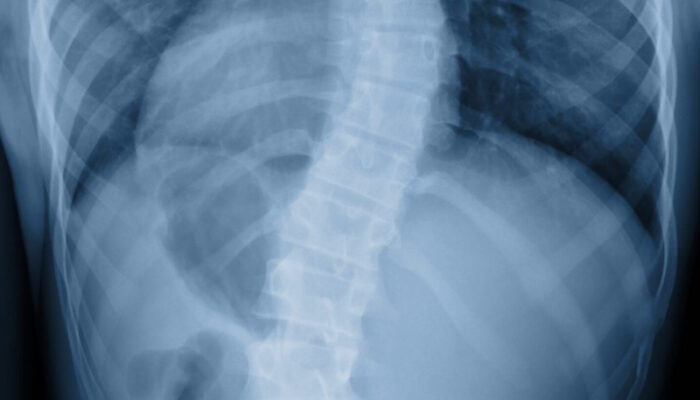
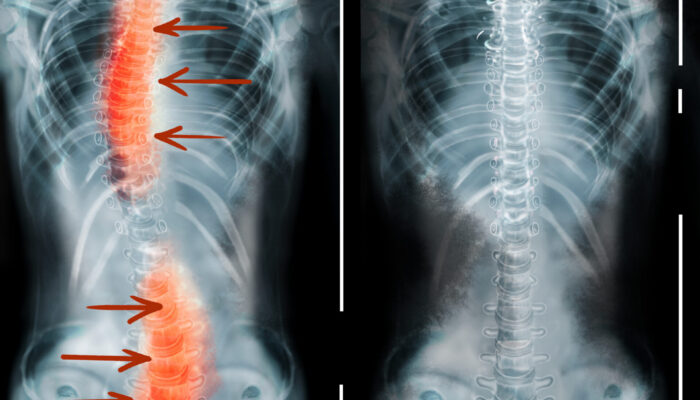
Scoliosis is a condition of the spine in which the backbone curves to the side in a way that is different from the normal alignment. Instead of running straight down the middle of the back, the spine forms a curve that looks like the letter C or the letter S when viewed from behind. While many people think of scoliosis as a problem only for children or adolescents, it can affect people of all ages. Some people have very mild curves that never cause symptoms or functional problems, while others have curves that require monitoring or treatment.

Scoliosis varies widely in how it develops and how it affects the body. In the United States, scoliosis affects an estimated 2 to 3 percent of the population, and rates in Georgia closely mirror national averages, particularly among school aged children and adolescents. In this article we explain what scoliosis is, how it is identified, what symptoms it can cause, and what treatment options are available in broad terms.

Understanding the Biology of the Spine and Scoliosis

The spine consists of a series of bones called vertebrae that are stacked on top of one another. Between each vertebra is a soft cushion called a disc that absorbs shock and allows movement. When viewed from the side, the spine has natural curves that help with balance and movement. From the front or back, the healthy spine appears straight.

Scoliosis involves a sideways curvature and often a twisting of the vertebrae themselves. In addition to the lateral curve, the vertebrae may rotate, which gives the spine a three-dimensional change in shape. These changes can affect posture, balance, and the way the chest and abdomen sit above the pelvis.

Curves can occur anywhere along the spine, but most commonly in the middle back (thoracic area) or the lower back (lumbar area).

How Scoliosis Is Classified

Scoliosis is often described by the age at which it appears and by the shape and location of the curve. Main categories include:

Adolescent idiopathic scoliosis

This form appears in children between the ages of 10 and 18 and is the most common type diagnosed. The cause is unknown.

Juvenile scoliosis

This curve appears in children between ages 4 and 10. It is less common but may progress more rapidly than adolescent scoliosis.

Infantile scoliosis

Curves develop before age 3. Some resolve on their own, while others require monitoring or intervention.

Adult scoliosis

This may be a continuation of a curve that began earlier or a new curve that develops later in life due to degeneration of discs and joints.

Curves may also be described by their shape, such as C-shaped curves or S-shaped curves, and their direction.

What Causes Scoliosis?

In many cases, the specific cause of scoliosis remains unknown. Even after evaluation, no single reason can be identified. Genetic and environmental factors may play roles, and scoliosis often runs in families.

In some cases, scoliosis is linked to other conditions that affect the nervous system or muscles, including cerebral palsy, muscular dystrophy, spinal cord injury, and certain birth defects of the spine.

Age related changes in adults can also lead to spinal curvature as discs and joints wear down over time, altering spinal alignment.

Recognizing the Symptoms of Scoliosis

Many people with mild scoliosis notice few symptoms beyond a slightly uneven posture. Others experience changes that interfere with comfort or function.

Common signs and symptoms include:

Uneven shoulders or hips

One shoulder or hip may appear higher than the other.

Asymmetry of the torso or waistline

The rib cage or muscles on one side of the back may appear more prominent.

Clothes that fit unevenly

Shirts or pants may hang differently due to spinal curvature.

Back pain or stiffness

Scoliosis can contribute to localized or generalized back discomfort.

Fatigue with prolonged sitting or standing

Uneven spinal forces may strain supporting muscles.

In more severe cases, spinal curvature may affect lung or heart function due to changes in chest structure.

How Scoliosis Is Diagnosed

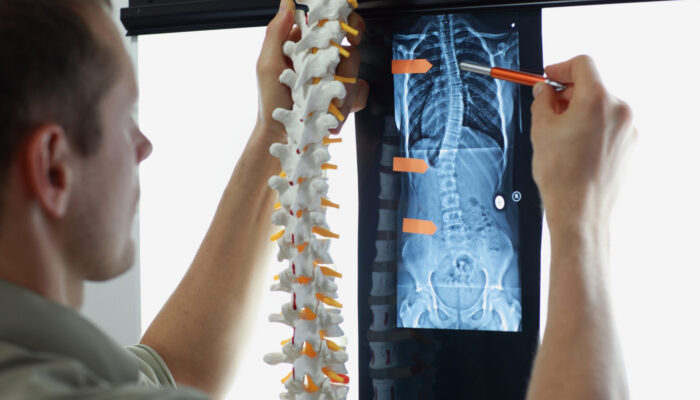
Diagnosis begins with a medical history and physical exam. A healthcare provider looks for visible signs of curvature and compares symmetry in the shoulders, hips, and rib cage. The forward bend test is commonly used to make curves more visible.

If scoliosis is suspected, imaging studies are ordered to confirm the diagnosis and measure the degree of curvature. X-rays allow clinicians to visualize the full length of the spine and calculate the curve angle, which helps determine severity and risk of progression.

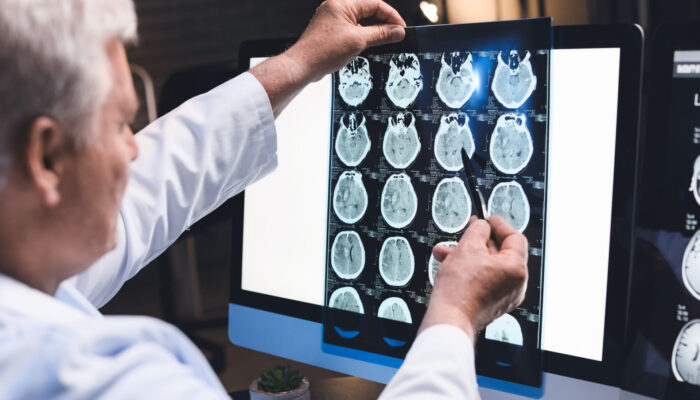
Additional imaging such as MRI or CT scans may be used if neurological symptoms are present or if underlying spinal conditions are suspected.

Monitoring and When Treatment Begins

Mild curves often require monitoring rather than immediate treatment. This typically involves periodic physical exams and follow-up imaging to track whether the curve is changing.

Treatment decisions are guided by factors such as:

  • Degree of curvature
  • Evidence of progression
  • Presence of pain or functional limitations
  • Age and remaining growth potential

Children and adolescents with remaining growth are more likely to experience curve progression. Adults with degenerative scoliosis may also require monitoring over time.

Treatment Options Overview

Treatment options vary based on age, curve severity, symptoms, and overall health.

Observation and Monitoring

For mild, stable curves without symptoms, regular checkups may be sufficient.

Physical Therapy

Targeted exercises can help improve posture, strengthen supporting muscles, and reduce discomfort.

Bracing

In growing children and adolescents with moderate curvature, bracing can reduce the risk of progression. Bracing does not correct existing curves but may help prevent worsening.

Surgical Options

Surgery may be recommended for severe or rapidly progressing curves or when significant pain or functional limitations are present. The goal is to correct curvature and stabilize the spine.

Living with Scoliosis

Many people with scoliosis live active lives with little day to day impact from their spinal curve. Activities such as walking, swimming, and guided exercise are generally safe and beneficial. Understanding the nature of the curve and following recommended monitoring or treatment plans plays a key role in long term spinal health.

Early detection allows for appropriate monitoring and timely intervention when needed.

When to Talk to a Specialist

If uneven posture, persistent back discomfort, or changes in balance are noticed, a healthcare provider can help determine whether further evaluation is needed. Specialists in spinal care can recommend appropriate imaging, monitoring, or treatment based on individual circumstances.

Understanding What a Scoliosis Diagnosis Means

Scoliosis involves a sideways spinal curve that differs from normal alignment. It can range from mild curves requiring observation to more significant curves that benefit from treatment. Diagnosis relies on physical examination and imaging to measure curvature and assess progression risk.

With proper evaluation and care, many individuals with scoliosis achieve stable curves and maintain active, healthy lives.

Schedule a consultation with Georgia Neurosurgical Institute today: 478-743-7092

Georgia Neurosurgical Institute offers exceptional treatments for the brain and spine to patients throughout Middle Georgia. With offices in Macon and satellite locations in Dublin, Locust Grove, and Warner Robins, we’re able to treat patients in and around:

  • Dublin
  • Forsyth
  • Locust Grove
  • Macon
  • McDonough
  • Milledgeville
  • Perry
  • Warner Robins

Recent Articles

Leave a Reply

Your email address will not be published. Required fields are marked *